

Property investment is generally regarded as one of the safest investment options around. But safe doesn’t mean guaranteed, so it’s important to do your research if you’re planning to invest in property in Australia. So, to help your research along, we’ve compiled our top tips on how to invest in property in Australia for you!
Keep on reading to see our top tips for investing in property in Australia!
Started by Darren Walters more than 10 years ago, No1 Property Guide has quickly grown to be most respected no or low deposit new home company in Australia. But we are more than just new homes, we also help investors across the country find or build investment properties to help build their wealth towards retirement.
Whether you’re buying your first home, have owned before, or are ready to build your investment portfolio, Darren Walters and the New Home Consultants here at No1 Property Guide can help. Simply fill in our pre-qualification form and one of our Investment Specialists will be able to advise all of your factual investment options.

Understanding Your Goals
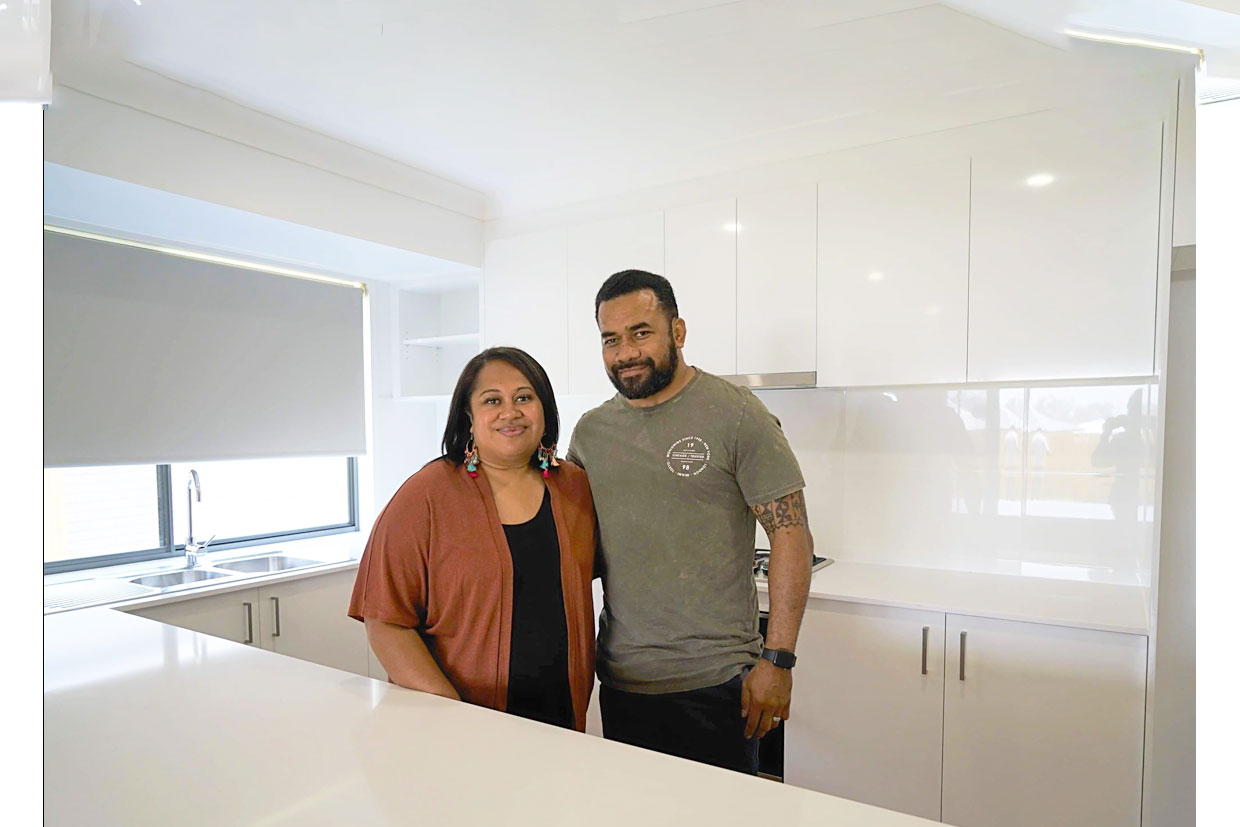
To kick us off, it’s important that you understand your investment goals. Whether you’re just starting or you’re an experienced investor, it’s crucial you have your goals sorted before you start.
If you’re a first-time investor, ask yourself what you’re looking to get out of your first property? Are you chasing a second income stream? Or enough capital growth to leverage a second investment property?
And the same questions are relevant if you’re an experienced investor as well! Investment properties are all about generating wealth, whether that’s through rental income or capital growth. So, it’s important you sit down and articulate your goals clearly.
Knowing these details will also help you to plan and strategise your investments effectively.
The Investment Specialists here at No1 Property Guide will work with you to find investment property opportunities that match your goals. If you’re not 100% sure what your investment goals are, our team can sit down with you to discuss and plan out what you’re hoping to get from investing in property.
How are you going to invest in property in Australia?
It seems fairly obvious, but knowing how you’re actually going to be doing your investing is pretty important as well!
This is two-fold:
Firstly, have a general idea for how you’re going to get the funds or take that first step into the market. The most common method is utilising equity from an existing property or asset. But there are also options using cash, guarantors, and even using your super. You don’t need to have it completely fleshed out right away, but knowing what potential options might be available can help smooth out the investment process.
Secondly, how are you going to get the property? Are you just going to the bank and asking the bank for a loan? Will you be working with an investment banker specifically? Or will you let someone like the Investment Specialists at No1 Property Guide handle sourcing, securing, and finalising your investment property?
Of course, there’s no one right answer for any of these, and it will come down to your personal situation. If you’re not sure on how to get started with this step, reach out to our Investment Specialists and book a time to discuss your options for investing in property in Australia.
Budget & Finances
A common part of buying any property, planning your budget and finances is going to be key to the success of your investment.
Before purchasing, you’ll want to budget and plan for the costs of purchasing. Things like stamp duty, mortgage fees, and building and pest inspections will cost you money upfront.
You may also want to strictly budget while you’re in the planning process to increase the size of your deposit and your borrowing capacity.
Budgeting for an investment property is different from a normal home. As you will usually plan to have the rental income which offsets a lot of the costs of the mortgage.
Read More on How to Invest in Property in Australia
However, there are a range of ongoing costs that you will need to consider and budget for. The first is budgeting in case you don’t have a tenant or need to go for an extended period with no rental income.
Even if there’s no tenant, you’ll still need to make your mortgage repayments, so having a plan for vacancies is a must!
You should also have a some funds stashed away in case you need to make some emergency repairs or renovations to the property. As the landlord, you will be responsible for any repairs and work that needs to be done to the property. How big of an emergency fund you should have will vary based on the property type and age, but $5000 is a good starting point to cover most emergency repairs in a pinch.
What Kind of Property?
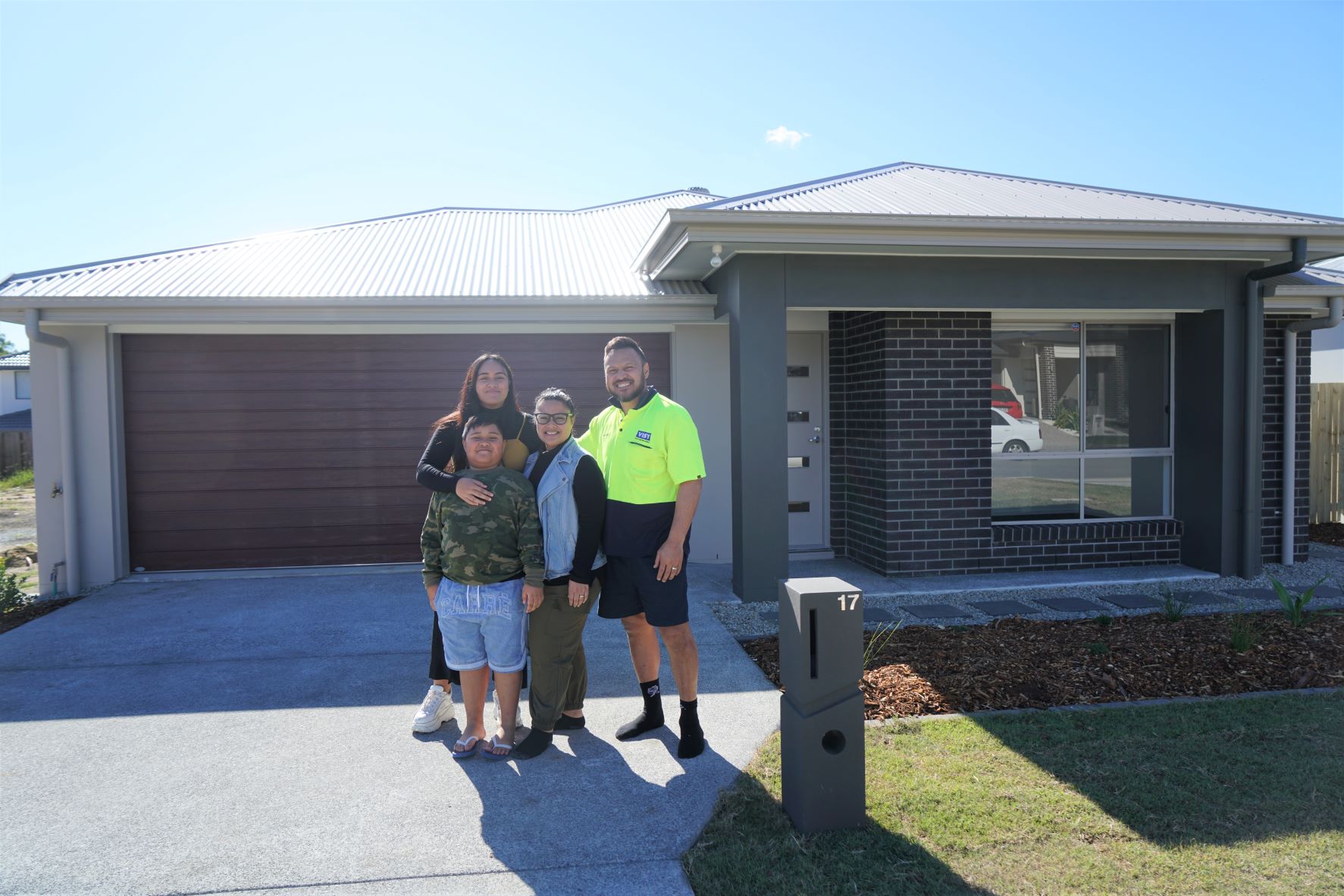
Something that many investors don’t think really makes a big difference is what kind of property you will actually invest in. But it’s actually incredibly important, depending on your goals! Your options can generally be broken down into 4 choices:
- House & land
- Units
- Duplexes
- Townhouses
The kind of property you’ll want to go for will vary depending on your investment goals. As well as the level of risk you’re willing to take. Each kind of property fits into a different kind of market, experience different levels of growth, repairs, and vacancy rates, and they all have various capital gains and tax benefits as well.
Historically, house and land packages (traditional homes with 3-4 bedrooms and a backyard) have the strongest growth and are often the choice for someone looking to either renovate and flip, or to hold for an extended period and sell for a profit.
While units tend to have lower price growth, they make up for it by being well-located and easier to rent and maintain. Which is why units are a very popular choice for investors looking to rent out a property for tax benefits.
Of course, it’s important to note these are all generalisations! Each property is different and there’s no set rule on what type of property will have the best return for your investment.
Risk Assessment
As with any investment, there are inherent risks involved when you decide to invest in property in Australia. This is a part of any investment and is something you will need to consider carefully.
Before you begin investing, sit down with your partner or anyone you might be investing with and go over exactly what level of risk you are willing to take. With property, this is generally mostly between the different property types or where to buy. But there are a number of factors you should consider and it’s important you are fully aware of what you are getting into.

Managing Your Properties
Finally, make sure you take the time to think about how you’ll be managing your properties! Whether you’re renting them out, keeping them as a holiday home, or just want to hold them for a few years before reselling, keeping on top of the maintenance, tenants, and any fees is crucial.
For most investors, the best way to handle this is through a property manager or real estate agent. Not only will they be able to find tenants and secure your rental income, but they’ll also manage any necessary repairs and keep you updated throughout the process.
Of course, property managers are an additional cost, but it’s one that many property investors are willing to spend to take the hassle out of managing their portfolio.
Decide How to Invest in Property in Australia with Help From No1 Property Guide
Deciding to invest in property is the first step to growing your wealth and securing a future for you and your family. Knowing how and where to invest can seem like a daunting task. But that’s why the team here at No1 Property Guide is here to help!
Using Darren’s proven system, we have helped thousands of renters and investors get their new property. And we could help you as well.
Your first step is calculating your borrowing capacity, from there our Investment Specialists can advise your factual investment options and show you exactly what you can or can’t do.
Then you can make an informed decision and choose the right investment path for you and your family.
To discover your factual options, fill in our pre-qualification form. One of our Investment Specialists will be in touch to discuss how we can help you get started.


